
Knowledge Fragmentation
Research findings remained siloed, resulting in features being launched without clear success criteria.

Implementing a data-driven Design Ops strategy that resulted in a 15% usability lift and eliminated early-stage adoption barriers.
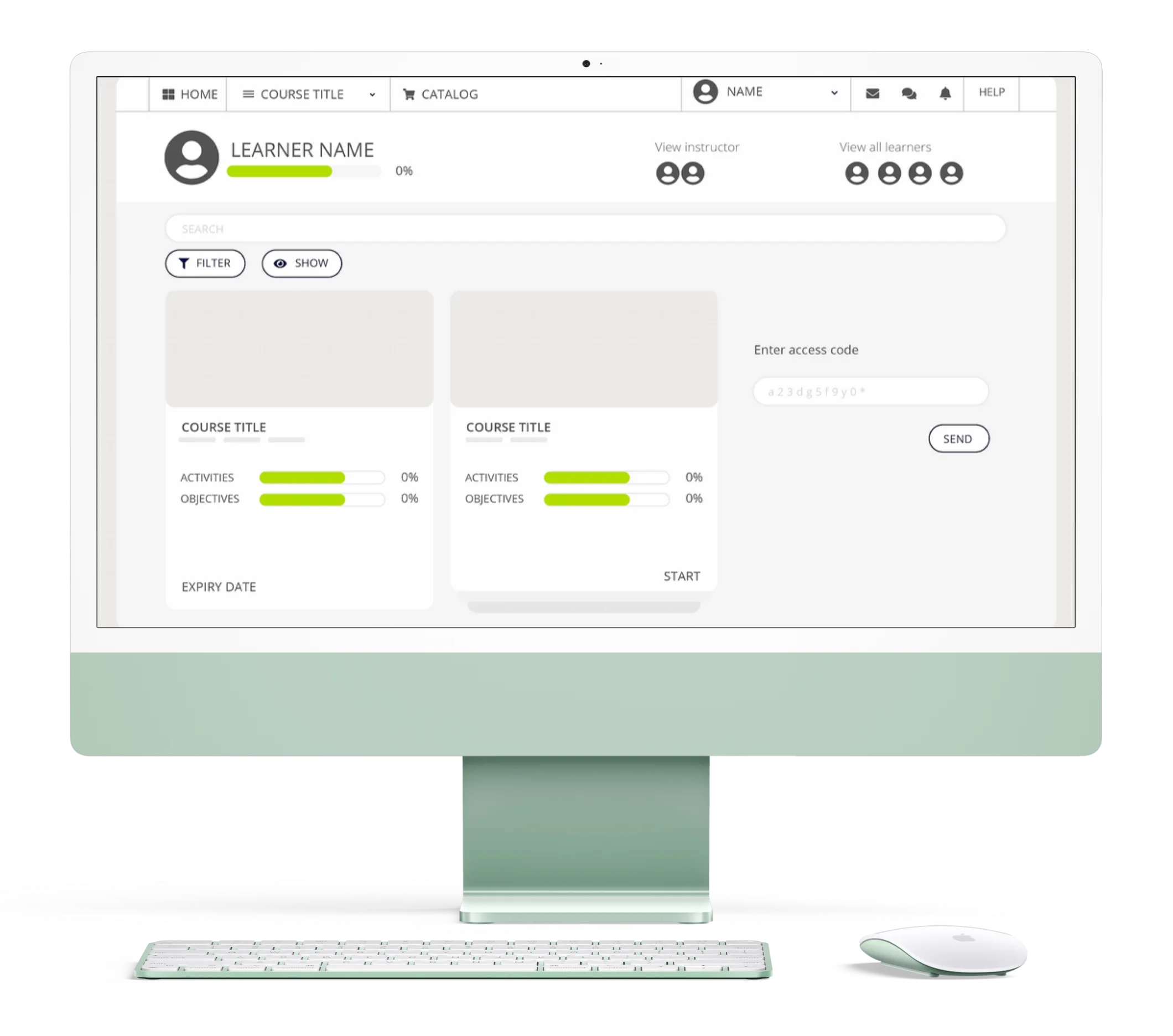
aNewSpring, a global learning platform, faced a reactive development cycle where features were launched with inconsistent validation. This led to significant 'experience debt' and the discovery of critical usability issues too late in the production stage.
The objective was to architect a systemic validation framework to bridge the gap between design intent and real-world performance. I had to build a data-driven engine that ensured product quality without slowing down high-velocity development sprints.
As the lead designer, I established the end-to-end Design Ops infrastructure to enhance the product lifecycle. I integrated behavioral analytics (Gainsight) with research methodologies, transforming gut-feeling into evidence-based design decisions.
While mapping aNewSpring's design workflow, I identified that the lack of a standardized validation process was generating a silent "experience debt." My diagnostic phase revealed three critical points:
Research findings remained siloed, resulting in features being launched without clear success criteria.
Without a tracking plan, the team was unable to identify why certain features experienced low adoption rates 30 days after launch.
The lack of centralized documentation between Design and Engineering resulted in 15% rework during every development sprint.
I started by mapping the team's entire design process — from receiving a new task to the release of the feature in production — through observation, a review of the existing processes and feedback forms.
The map made the problem visible: validation happened informally, at the end of the cycle, if at all. Features shipped without defined goals, nobody tracked them after launch, and decisions lived in scattered conversations instead of a shared source of truth.
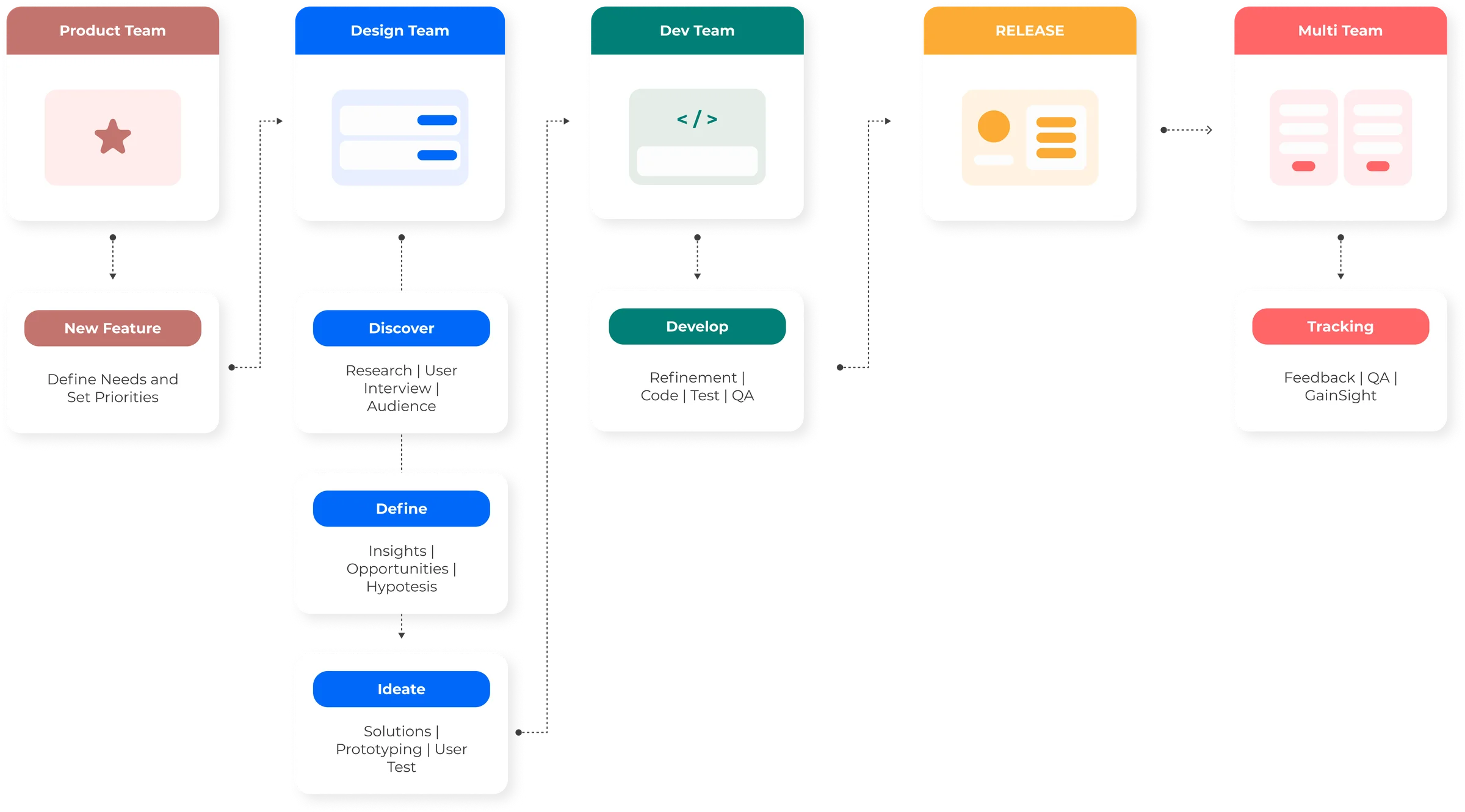
I moved away from a 'checklist' mentality to a Continuous Discovery framework. By structuring the lifecycle into three strategic pillars, we ensured that quality was a built-in feature of the process, not an afterthought.
Identifying target audiences and success criteria before a single pixel is moved.
What we foundFeatures were decided based on assumptions, not evidence.
The solutionA mandatory step to define the target audience and success criteria before prototyping.
ExecutionAligning business goals with rigorous usability testing during development.
Integrating tools like Gainsight to monitor real-time behavioral data post-launch.
What we foundThe team lost track of users right after launch — a blind spot.
The solutionGainsight integrated directly into the design flow, so every feature is born with predefined tracking events.
ExecutionPerformance dashboards to monitor engagement and retention in real time.
Establishing a feedback loop to analyze data and trigger necessary product adjustments.
What we foundThere was no formal process for post-launch adjustments.
The solutionAn action plan to analyze data and collect continuous qualitative feedback, restarting the improvement cycle whenever goals weren't met.
ExecutionPeriodic feature health reports and evidence-based next steps.
To break the communication barrier between teams, I developed modular documentation and a new end-to-end workflow, where every feature moves through validation, tracking and managing stages.
Impact: technical and UX goals became shared by all stakeholders, reducing alignment time in meetings.
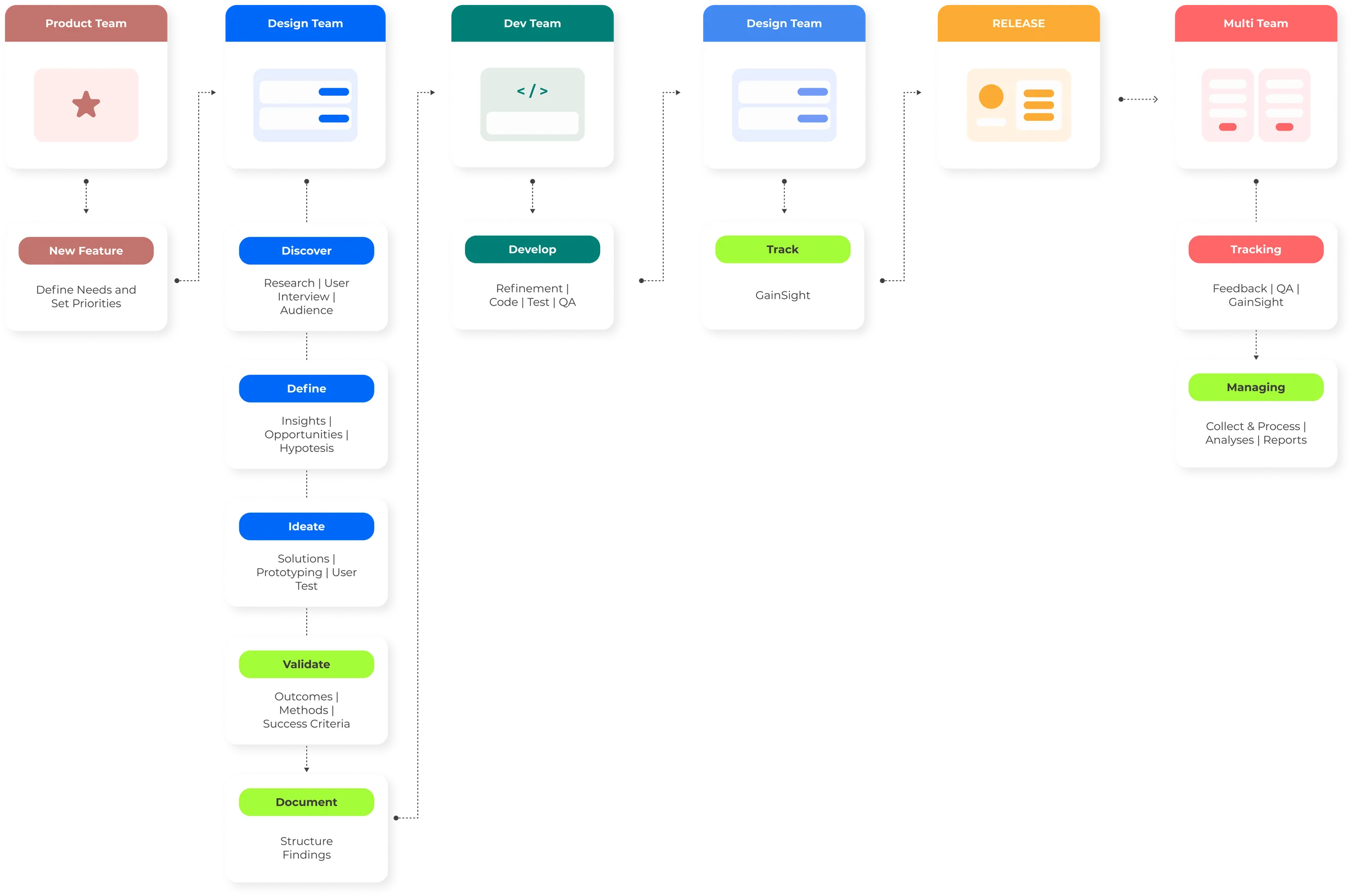
With the plan set, we chose one of the platform's features to evaluate the performance of each new stage of the validation process.
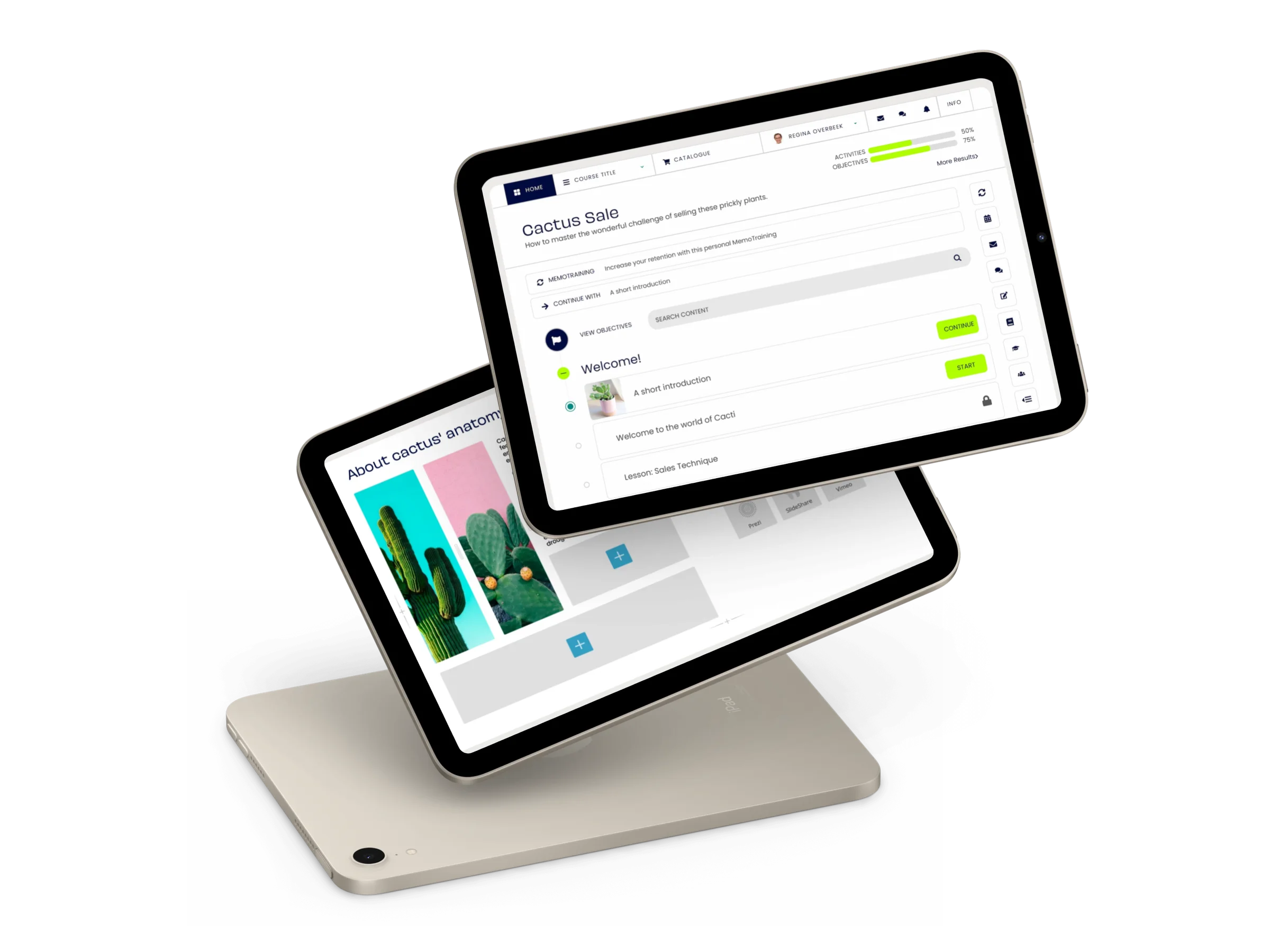
The impact of re-engineering this process was measured through the performance of new features launched under the framework:

Re-engineering how a team validates its work taught me that the process deserves the same design care as the product:
For a product to scale, the design process needs to be as intuitive and efficient as the interface is for the end user.
Combining quantitative data (Gainsight) with qualitative insight (user interviews) is what lets a designer make bold and safe decisions.
A clear vision of what is being validated, and the expected outcomes, is crucial from the start to minimize usability issues.
Good documentation increased the visibility of the work, supporting development and providing insights for the entire company.

Hello, I am
With over 10 years of experience across Product Design, UX Research and Strategic Planning, I specialize in translating complex problems into intuitive and scalable digital experiences.
I work end-to-end across discovery, interaction design and design systems, collaborating closely with product managers and engineering teams to deliver meaningful product outcomes.
Lets Talk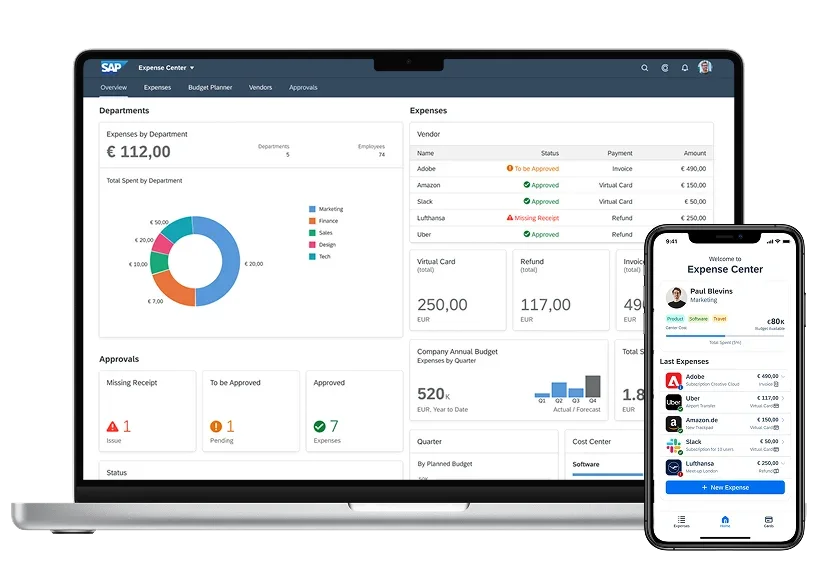

Redesigning ad-hoc expense management through an integrated multi-platform ecosystem focused on automation, compliance, and operational efficiency.
Read the Case Study